
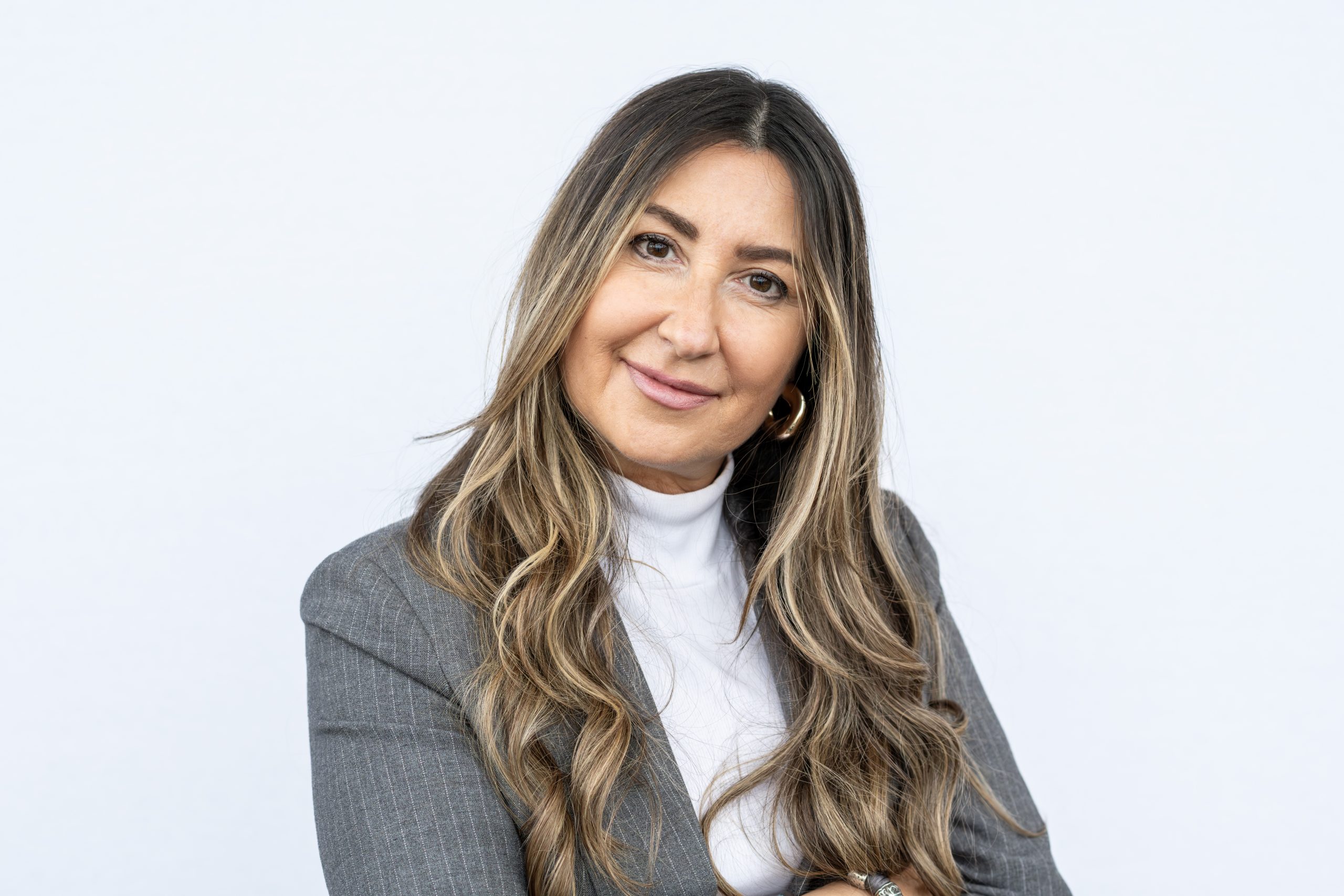
In 2020, I was diagnosed with breast cancer. Like many people who receive such news, I felt a deep shock and fear. But alongside the overwhelming concern for my health, one unexpected fear rose to the surface almost immediately: the fear of losing my hair.
This wasn’t about vanity. For me, hair loss represented something far more emotional. It was rooted in a memory – one of the most painful in my life.
A family already traumatised by cancer
Just three years earlier, I had lost my mother to the same disease. One of the hardest moments during her illness was the day I shaved her head. She couldn’t bear the clumps of hair falling out from the chemotherapy. It was traumatic for her, and for me. I remember her distress, how losing her hair made her feel stripped of dignity, vulnerable, and alienated from herself.
Her appearance changed dramatically, and this affected her emotionally and socially. My young son, who she helped care for at the time, became frightened of seeing her without her wig. The change in her appearance made the illness real—and terrifying—for him. It broke her heart. In fact, she was so affected that, toward the end of her life, she chose not to say goodbye to her grandchildren. She wanted them to remember her the way she had been. Not sick. Not altered by disease.
That moment stayed with me.
My own diagnosis: was history about to repeat itself?
So, when I received my own diagnosis, my first thought was: I can’t let my children go through that again.
Just three years after we had started to emotionally recover from her loss, I was flooded with the fear that history might repeat itself. I didn’t want my children to go through that same kind of trauma or see me deteriorate in the same way. I didn’t want to trigger those memories again. And I didn’t want to feel like I had lost control of my identity, the way I had seen my mother suffer.
That’s why, when my hospital offered me the option to use scalp cooling, I immediately said yes.
Scalp cooling was my chance to keep my hair
Scalp cooling, sometimes called cold cap therapy, is a technique that helps reduce hair loss during chemotherapy by lowering the temperature of the scalp, which in turn reduces the impact of the drugs on hair follicles. It doesn’t guarantee that you’ll keep all your hair, but it gives you the chance to look normal and feel the benefits that come with it. For me, that chance was worth everything.
The day I started using the cooling system, something shifted in me. It was as if my emotional state was given a boost. I suddenly felt empowered again, not entirely at the mercy of the disease. I had a choice, and a way to preserve something deeply personal, both for myself and my children. And it worked!
I didn’t keep all my hair, but I kept enough that I still looked like myself without the need for a wig. I could go home after treatment, look in the mirror and still recognise myself. My children weren’t confronted with a “sick” version of their mother. Life at home stayed as close to normal as possible, and that made an enormous difference in how we all coped.
It's not just hair
Looking back, I can say that scalp cooling helped me protect more than just my appearance. It helped me protect my privacy, my mental health, and my relationships.
When you lose your hair, people know you’re ill even if you haven’t told them. It becomes a visible sign to the world. You’re constantly reminded of your condition by the reactions of others, and you’re asked questions you may not be ready to answer. You’re seen as a patient before you’re seen as a person.
Keeping my hair gave me the choice of when and how to share my diagnosis. It allowed me to move through my social and professional circles with discretion and dignity. And it made returning to normal life after treatment feel quicker and less jarring. I didn’t have to wait a year for my hair to grow back. I didn’t have to wear wigs or explain my appearance. I could re-enter my life as myself.
There’s a saying: “It’s just hair, it will grow back.” But I know from both personal experience and my mother’s that this phrase, while well-meaning, oversimplifies the emotional complexity of hair loss during cancer treatment.
It’s not just about hair. It’s about identity. It’s about how you see yourself and how others see you. It’s about feeling stripped bare at a time when you’re already fighting for your life.
Scalp cooling gave me a sense of control at a time when everything else felt uncertain. It softened the emotional blow of cancer. And it gave me the strength to support my family, shield my children, and maintain a level of normality that would have been otherwise impossible.
My message to others
If you’re considering chemotherapy, or supporting someone who is, I urge you to look into scalp cooling. It might not be suitable for everyone, and results vary by chemotherapy regimen, but if there’s a chance it can help preserve not just your hair but your sense of self, I believe it’s worth trying. Even on regimens with lower hair retention efficacy overall, by scalp cooling, you are still protecting your follicles which are needed for regrowth.
Today, I have the opportunity to share my story more widely through my work at Paxman. Being part of this shared mission to help others preserve their dignity, privacy, and emotional well-being during treatment feels like a natural extension of my journey. It allows me to turn a difficult chapter in my life into something meaningful for others.
I couldn’t change my mother’s story. But I could write a new one for myself and my children. One that was gentler, more hopeful, and filled with small victories that made a big difference.
That, to me, is the real power of scalp cooling. It helps us reclaim something we often feel we’ve lost in the face of illness: control, identity, and hope.
